Game On!
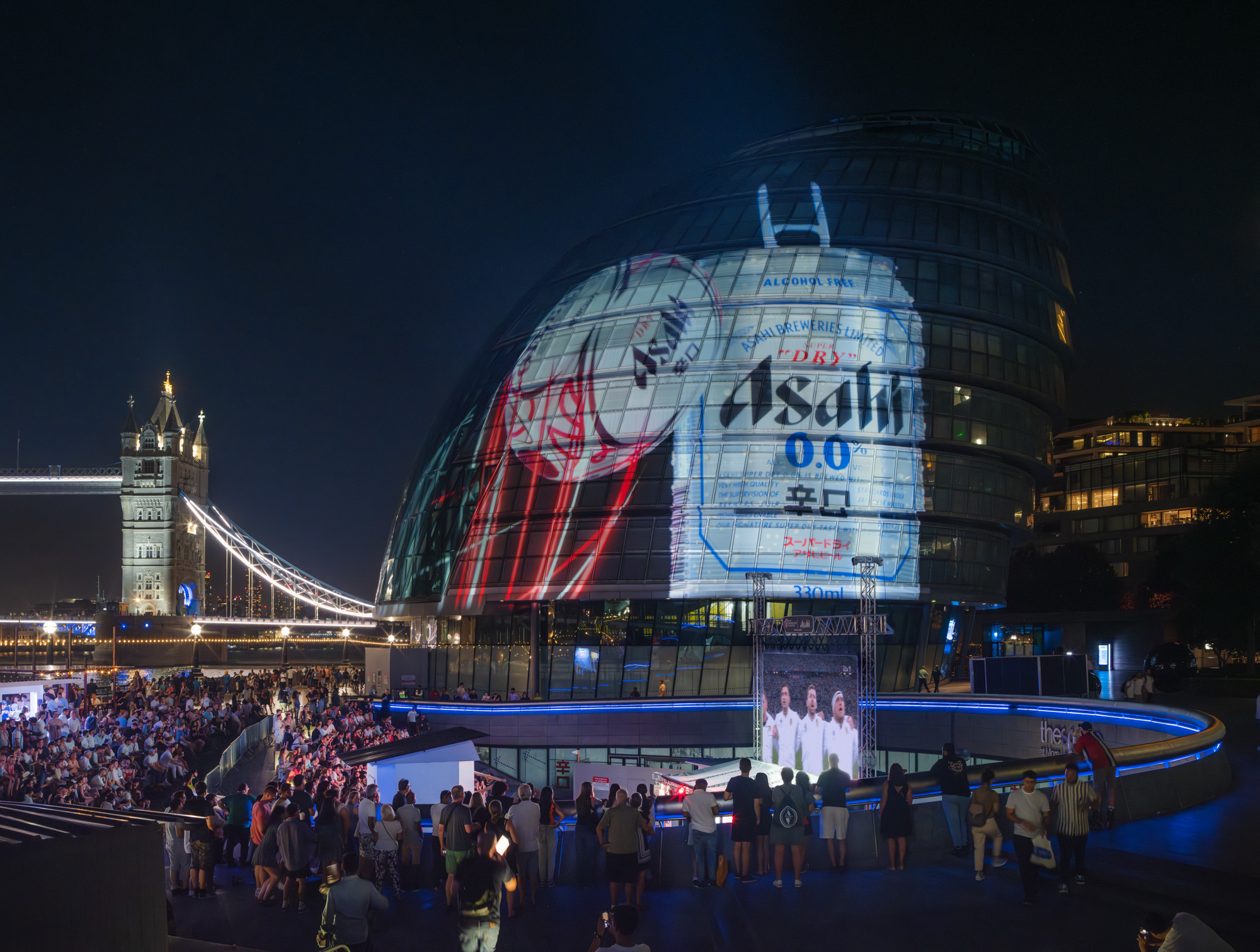
The buzz has kicked off around the FIFA World Cup next year with mascots, special footballs and sponsors in place. The sports sponsorship market is predicted to reach $190 billion by 2030, with brands investing more than ever to engage passionate audiences. But ‘logo slapping’ for visibility and awareness alone isn’t enough.
Fans want to be more than spectators – creating their own communities, shared moments and content that go far beyond the playing field. For fans to support sponsorship, it needs to help them feel part of something bigger – offering access and experiences that wouldn’t exist without the brand.
For brands, this means aligning with and translating the values that define sport itself: perseverance, authenticity, and community.
The ‘win’ comes from understanding the imperatives behind today’s most impactful sponsorship activations and how brands can reach hearts and minds, on and off the pitch.
Drive fan hype
Sport is ultimately competition. Two competing teams, players battling, and fans riding these emotional highs and lows. Great sponsorship activations don’t just mimic this buzz, they amplify it. By embedding into fan rituals, bringing people together to share their passion, or creating parallel moments of drama and competition, brands can become engines of fan energy.
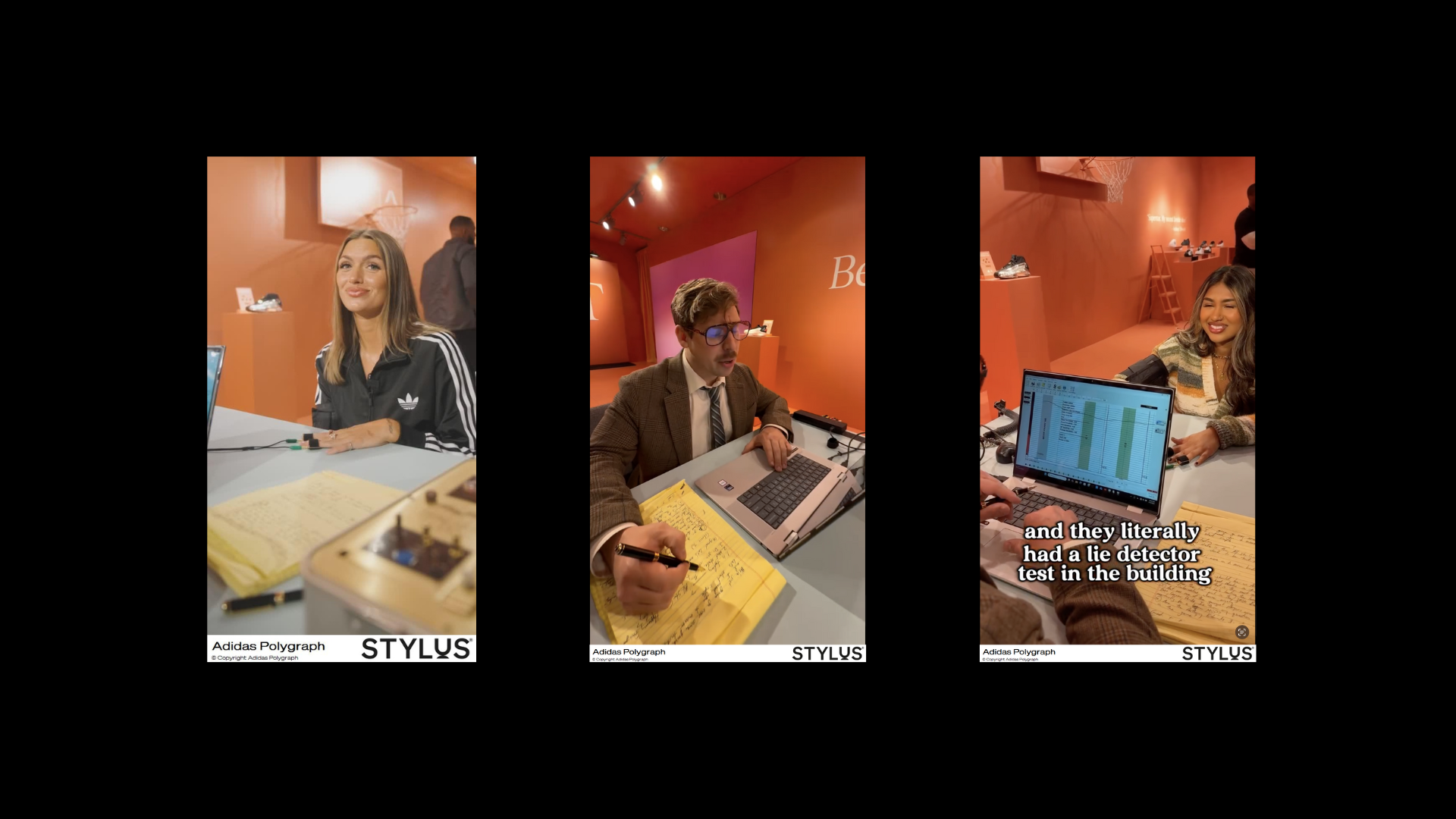
An excellent example of this is adidas’s activation during the NBA All-Star Weekend, an annual celebration of basketball fandom. With interactive sneaker installations, exclusive product drops, and even a lie-detector to test their confidence by claiming to be a better player than NBA star Anthony Edwards, fans felt the buzz across many touchpoints. The festivities reached a crescendo with the Superstar Party at adidas Hub led by NBA All-Star and adidas signature athlete, Damian Lillard, attended by cultural tastemakers, entertainers and mega athletes and broadcast across socials. The activation fused adidas’ reputation in basketball and streetwear, giving fans countless opportunities to connect with the brand, and demonstrating how a brand can effectively channel the energy of a cultural sporting moment.
SELA fuelled the hype after Newcastle United FC reached (and eventually won) the Carabao Cup Final this year by transforming London’s Millbank tower into a striking black and white beacon, showcasing animations of fans travelling to Wembley, and classic Geordie phrases of support, an authentic nod to the city’s culture and spirit. The activation also marked SELA’s donation of 32,000 scarves to supporters attending the match. It was the ultimate hype builder in the run-up to the game.
Authenticity here mattered. It wasn’t a spectacle for the sake of it; it was about honouring what it means to be a real Newcastle fan. When done well, these activations don’t just ride the wave of sports fan energy, but add to it. Brand presence evolves into shared experience, where fandom is amplified and celebrated.
Fans are creating culture
Climbing is a great example of a sport that has an amazing community, culture and potential for brands. Once seen as a fringe sport, it’s become a global community of dedicated, devoted enthusiasts. Reel Rock, a film festival and subscription service which celebrates the human stories behind the sport, is sponsored by The North Face, Yeti and Black Diamond. This collective has helped grow the climbing community and provided a space to connect over, by giving fans storytelling and shared adventure in both an IRL and online space.
Red Bull’s recent climbing stunt, featuring Domen Škofic attempting to scale around a moving plane, worked for the same reason. It created a new moment for fans to experience together.
As fan culture evolves, so must sponsorship. Brands can’t just join in on the conversation. They have to add something to it, creating content and experiences that simply couldn’t exist without them. The brands winning in this space help the fans tell their own story. That could mean giving them the tools to record their own journeys, or creating platforms that allow them to showcase their creativity. It could even mean bringing them together in real life. What’s important, though, is that they’re moving away from telling stories about sport and towards telling them with the people who live it.
Give fans something worth chasing
Another element of successful sports sponsorships is when brands can become the enabler of exclusivity, giving fans access to something they would never dream of: behind-the-scenes moments, limited-edition drops, a special viewing experience. The rarity of experience holds real value, becoming a cultural currency fans are willing to chase.
Arsenal and Persil took an unexpected approach to their partnership. After launching a campaign about a signed Saka shirt getting washed accidentally, seven Bukayo Saka-signed posters were then hidden around North London for eagle-eyed fans to find. The initiative was unveiled through social media, creating a frenzy among fans who searched the streets for a coveted poster. The exclusivity of the merch drove virality, with 7 million impressions and a reach of 270 million across socials. It proves that even the smallest items, when rare enough, can carry the biggest buzz.
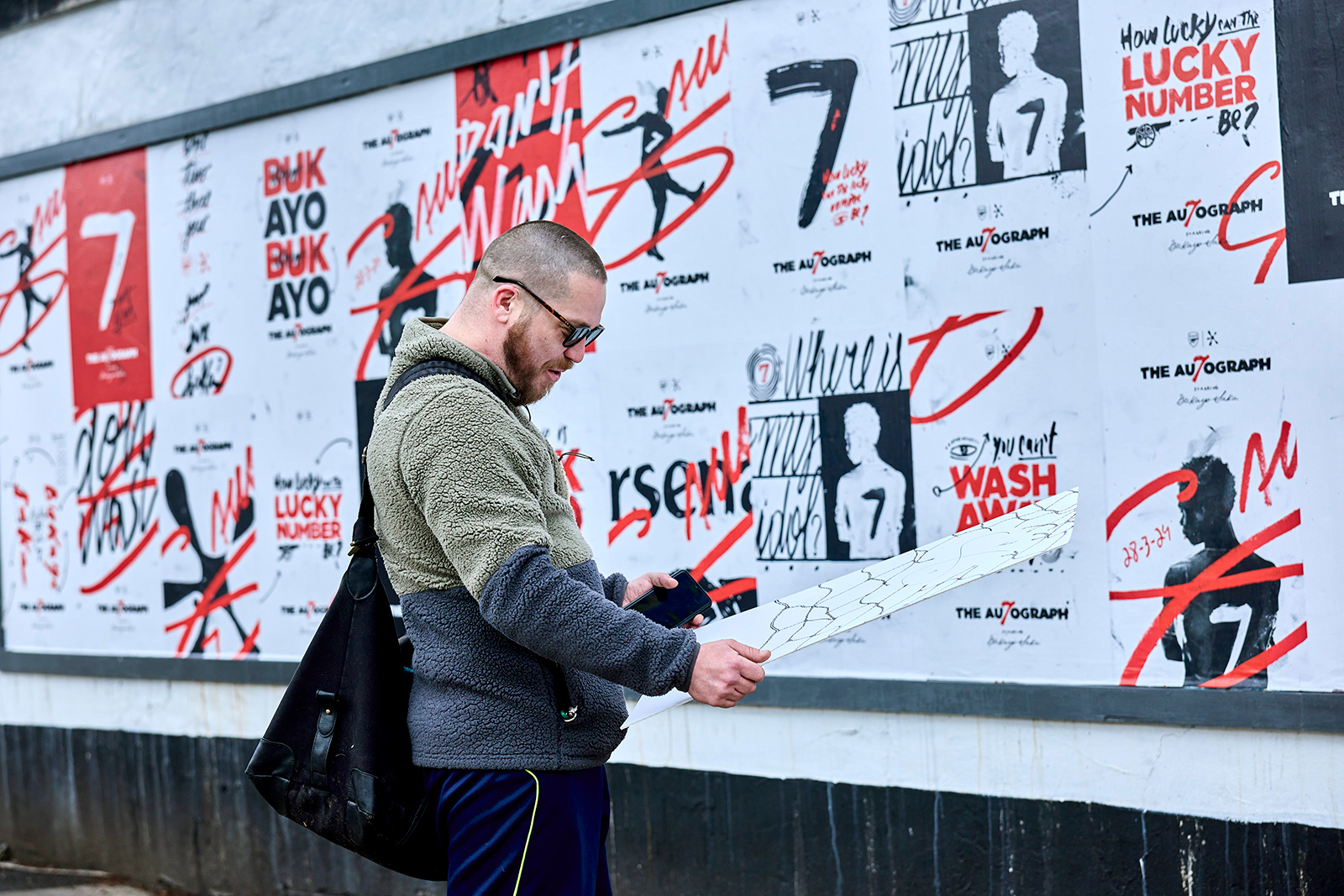
When fans feel special, even the smallest gesture becomes monumental. Rarity, exclusivity and privilege are the keys to driving sponsorship fame and memorability, positioning the brand as an enabler of an epic fan experience.
Build emotional synergy
Some partnerships make immediate sense, like marathons and running shoes. But, not every sports sponsorship will have an explicit synergy whether it’s in a different industry, or plays a background role in the game. In these cases, the real power is in finding a spiritual connection between the sport and the brand and building around that shared value.
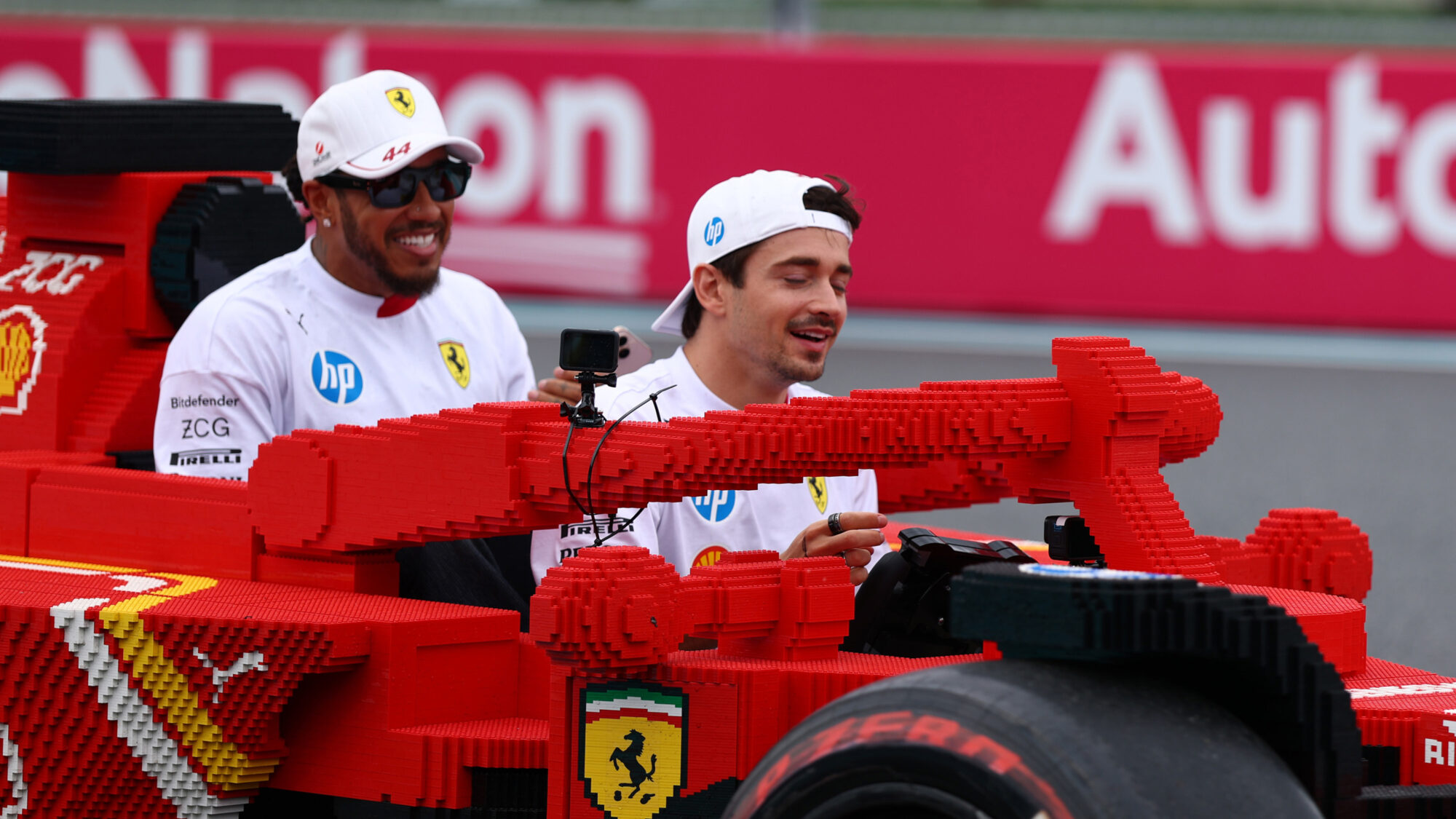
For example, LEGO and F1 might seem like an unlikely partnership when one is all about unleashed creativity, and the other champions precision. During the Miami Grand Prix, the standard pre-race driver’s parade was levelled up with 10 full-size, drivable LEGO cars, complete with electric engines, authentic liveries and Pirelli tyres. What made this activation so iconic was the driver’s authentic enjoyment. Some drivers tried to race each other on the track and Lewis Hamilton even called it ‘the most fun Drivers’ Parade we’ve ever had’. This genuine reaction turned a sponsorship that could have felt forced into one that fans and drivers both loved.
Lenovo and F1 followed a different path. While computing and racing are more obviously intertwined through precision and engineering, they wanted to bring this connection to light in a more emotionally rich way. At the heart of the ‘#RacetoCreate’ activation, fans could design their own AI livery, and the winning designs were then projected onto London’s iconic Walkie-Talkie building, with all 525 feet lit up for the first time ever. It turned Lenovo’s role in data infrastructure into an engaging, relevant moment for fans.
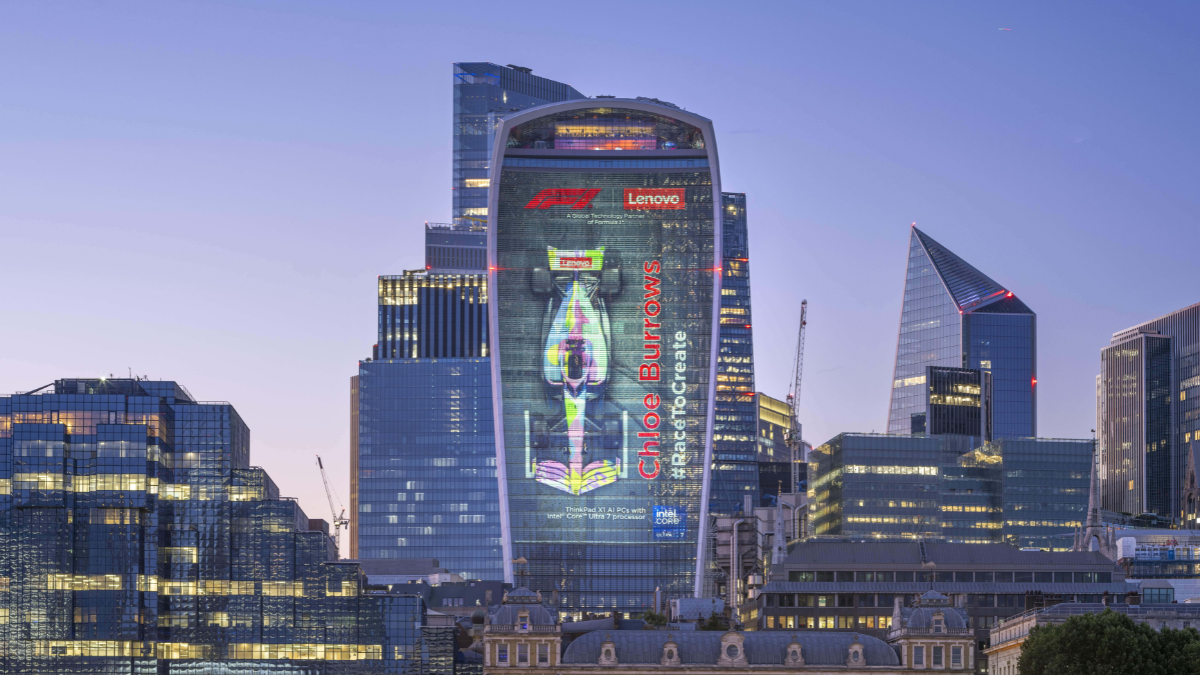
Some of the most interesting sponsorships aren’t always the most obvious. They’re the ones that go deeper to find common ground. Because even the most unlikely pairings can spark powerful fan connections.
Sport meets culture
Brands are merging physical spaces, culture, and sport in ways that deepen fan engagement.
Take House of Vans in London. Beneath Waterloo Station, it was more than a skatepark – it was a multi-sensory brand experience combining bowls, ramps and a street course with art galleries, a music stage, a cinema and a café – most of it free or low-cost.
It wasn’t just about watching skateboarding; it was about living the brand sports experience.
Here, skateboarding’s creative spirit met art, self-expression and community. It embodied Vans’ ethos perfectly and showed how brands can turn sponsorship into something that’s truly authentic.
Show up spectacularly
In an era of endless content, standout is paramount. Activations should stop people in their tracks, fans and non-fans alike. They should intrigue, wow and amaze, and ultimately drive cultural conversation. Because playing it safe, risks feeling stale.
Take Nike’s partnership with the England Lionesses for the 2022 Euros. This pairing was taken to spectacular heights, celebrating the squad’s strength and skill by projecting players’ profiles onto striking locations, from the white cliffs of Dover, to Tower Bridge, to Battersea Power Station. Iconic players on iconic canvases. The activation went viral, with 8 million social impressions, 200k+ likes, shares and retweets, and more than 50 PR articles written. The exceptional scale and display of the activation was key in its exposure and ultimately, its success.
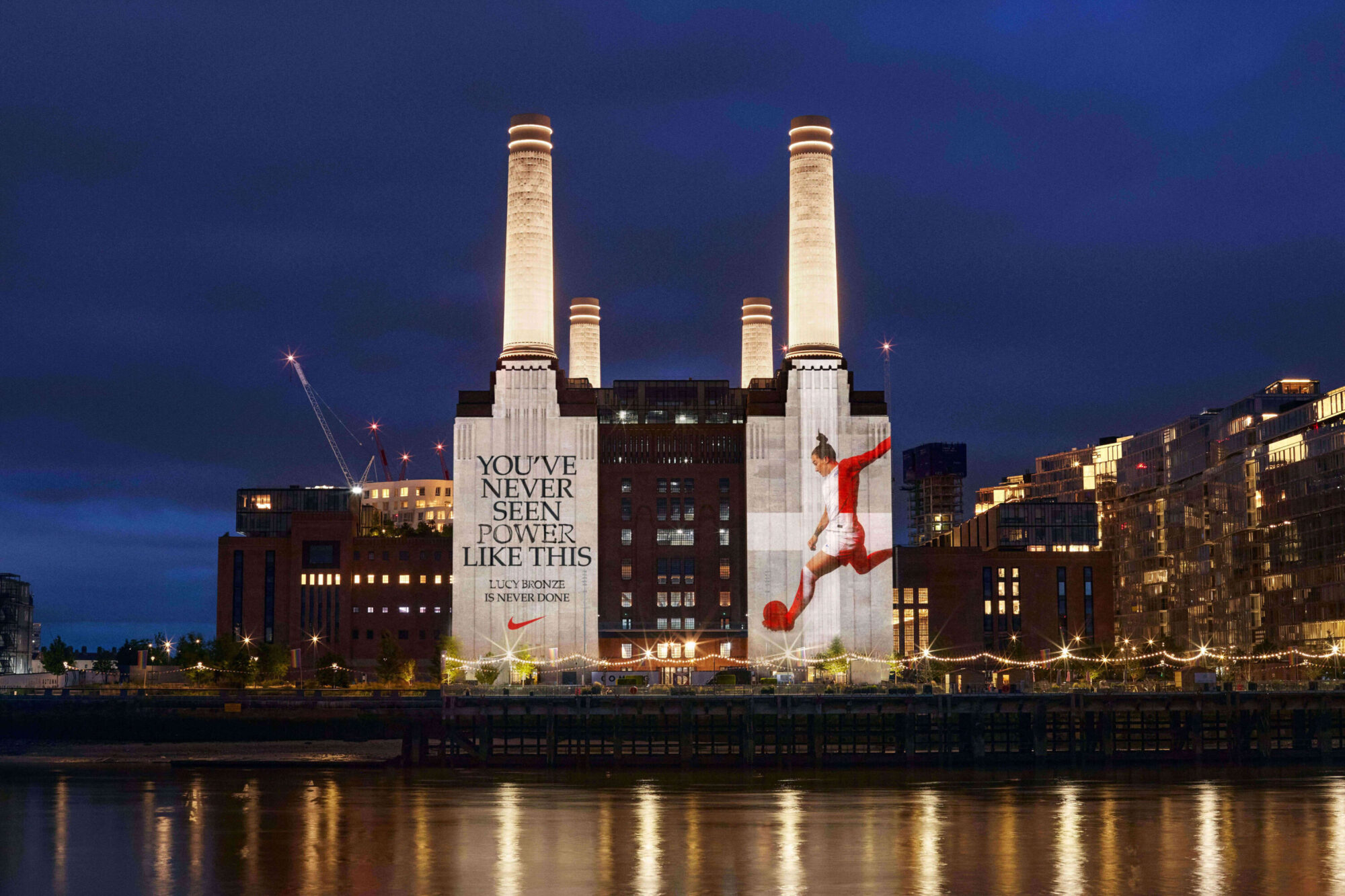
A willingness to be bold cuts through the noise. Standout visual storytelling is what earns attention and helps partnerships stick in people’s memory.
Standing for something
The connection between brand values and sporting ethos is what really elevates these partnerships beyond simple sponsorships.
Outdoor brand Finisterre is a perfect example. It’s a niche, purpose-driven brand whose identity aligns organically with surfing’s relationship to the ocean and sustainability. Its Wetsuit Recycle Project collects and repurposes end-of-life neoprene suits, turning waste into new materials rather than landfill. It also runs an annual women’s surf film competition celebrating “the bravery and fortitude shown by women of the sea,” helping to shift the narrative in a traditionally male-dominated sport.
But not every brand gets it right. Outdoor equipment brand Arc’teryx came under fire this year for its fireworks campaign at the foothills of the Himalayas that, while visually striking, was seen as environmentally tone-deaf. An unfortunate mistake for a brand built on sustainability and respect for the outdoors.
Today’s fans expect more than logos. The fight to win eyeballs is fierce. The brands that succeed don’t watch the game from the sidelines, they transform it.
Ready to raise the bar? Game on! Reach out to us and let’s make something unforgettable.