More Human Than Ever:

Experiential marketing is at a crossroads. If the last decade was all about dazzling audiences with bigger, faster, and brighter activations, now brands face a new imperative: meaning over matter. At Pixel Artworks’ recent event, industry leaders from The Macallan, Pixel Artworks and an expert in Behavioural Science gathered to ask not just “what’s next,” but “what matters now?” The answer lies in designing for human impact in a hyper-digital world.
Designing Experiences That Give Back
The most enduring brand experiences don’t just fill a room with spectacle, they empower people to do, feel, or think something new. The key to a future-proofed experience is to stop chasing the latest flash-in-the-pan trends and start shaping culture through “functional experiences”; activations that leave participants with something that outlasts the event itself. Meaningful design means building in moments for learning, self-expression, or community participation, letting guests take something transformative with them. The future belongs to experiences whose impact extends beyond the venue.
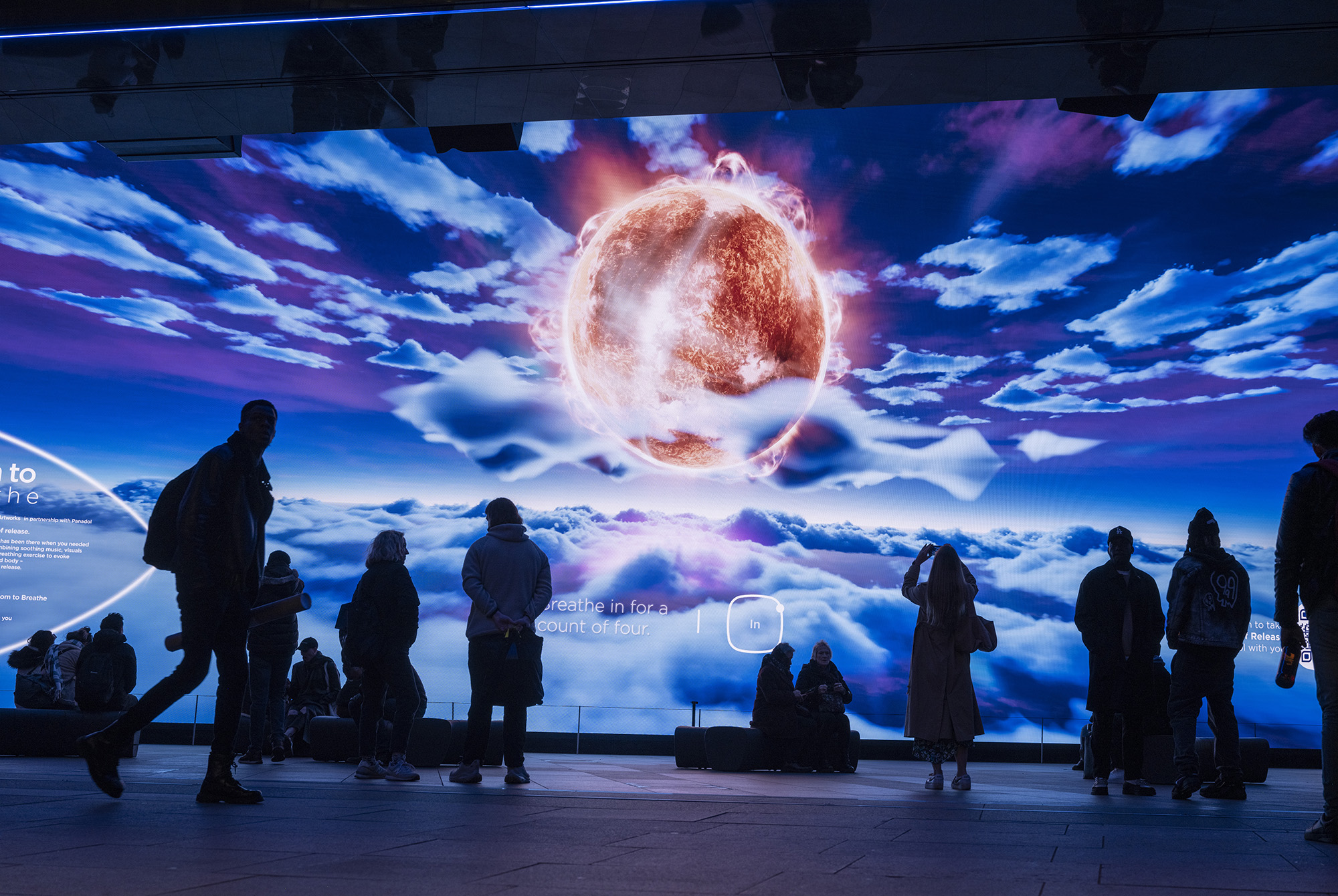
Pictured: Room to Breathe by Pixel Artworks, bringing calm to the commute through the science backed ‘box-breathing’ technique.
Bounded Autonomy
Personalisation, once defined as simple name placement or custom merch, is quickly becoming far more nuanced. The key is “bounded autonomy”: providing enough structure so people know their choices matter, but enough freedom for genuine exploration. Technologies like motion tracking and generative AI let audiences set their own pace, yet within intentional boundaries that ensure everyone feels part of something meaningful. The role of the experience creator is shifting from scene-setter to facilitator, empowering guests to co-author their own stories.
The Rebirth of Physical Connection
With digital fatigue more present than ever, people are craving experiences that force them to slow down, show up, and connect in person. A survey by Eventbrite revealed 66% of Brits aged 18-34 said they felt ‘more fulfilled by live experiences than purchasing an item of the same value’. It reveals a clear appetite for real-world interaction and a collective desire for deeper social moments that can’t be replicated online. To push this further, brands should embrace “positive friction”, effortful, real-life engagement that’s memorable precisely because it asks us to participate, not just observe.
Tech That Deepens, Not Distracts
Brands must rethink how digital tools fit into their experiences. AI, mixed reality, and mobile integration aren’t just for wow-factor anymore; they’re the silent engines enabling richer connections, real-time adaptation, and authentic content creation. Generative AI is allowing physical spaces to increasingly respond to everything from guest movements to emotional cues, making every journey genuinely unique. However, technology should serve the experience, never hijack it. The goal is new forms of co-creation, where brand story & audience intertwine.
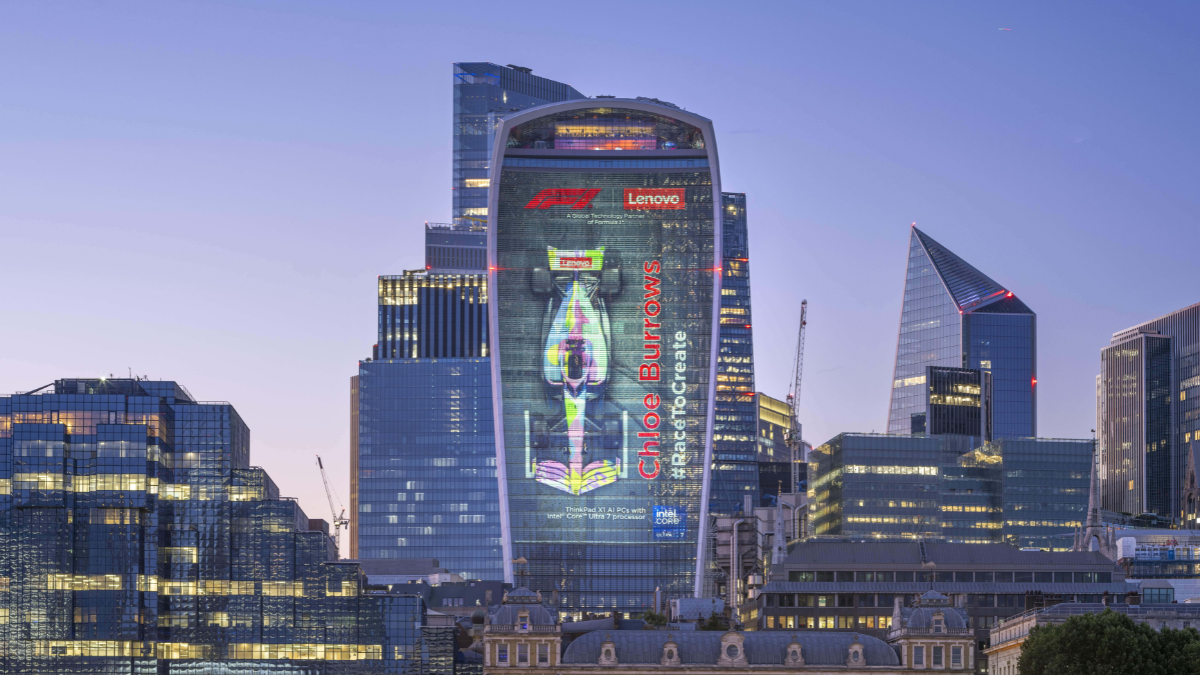
Pictured: Race To Create by Lenovo for the F1. All from their mobile, fans could create custom AI liveries, see it in action via an AR video and have their livery projected onto The Walkie Talkie.
From Event to Ecosystem
Experiential marketing is rapidly evolving beyond the traditional model. Brands are now creating interconnected ecosystems where every interaction, both in-person and digital, not only deepen immersion but offers valuable data and insights. This continuous, multi-touch narrative allows brands to capture real-time feedback, analyse participant behaviour through tools like heat mapping and digital takeaways, and apply these learnings to design even more impactful experiences. By treating experiential as a dynamic ecosystem rather than isolated events, brands unlock greater measurement capabilities and a clearer path to better experiences.
Experiential as a brand Channel
To truly succeed, brands should be treating experiential like any other key brand channel. Industry leaders such as The Macallan are creating detailed experiential brand guidelines; a toolkit covering everything from sensory branding to scalable activations for different budgets. Such frameworks ensure consistency in look, feel, and impact across markets and agency partners. Importantly, these standards empower teams with proven assets and processes to deliver high-quality experiences and confidently measure success.
As experiences blur the boundaries between digital and physical, creator and audience, the lesson is clear. The future is not about doing more, but about doing deeper. The brands that succeed will create worlds where people feel seen, heard, and empowered. And that is connection worth striving for.