ISE Wrapped 2026
Looking for the next big thing in immersive experiences? We descended on Barcelona’s Fira de Gran Via once again, along with a record-breaking 92,000+ fellow tech-heads, to hunt down the technologies set to redefine how we design, build, and operate spaces and experiences that move people. So what actually cut through the noise? Here’s what our team brought back.
Now you see it, now you don’t
The best experiences don’t scream “look at the technology.” This year’s show proved that the industry is catching up to that philosophy, showcasing a range of products that were either near invisible or more cohesive with a design.
We saw speakers embedded in stone steps and architectural features, LED walls that look and feel like natural materials until they spring to life, and acoustic panels so beautifully designed you’d choose them for aesthetics alone. What does this mean for you? We can now design installations that respect your brand environment and architectural vision without compromise. No more choosing between “impressive technology” and “beautiful space”, you can have both.
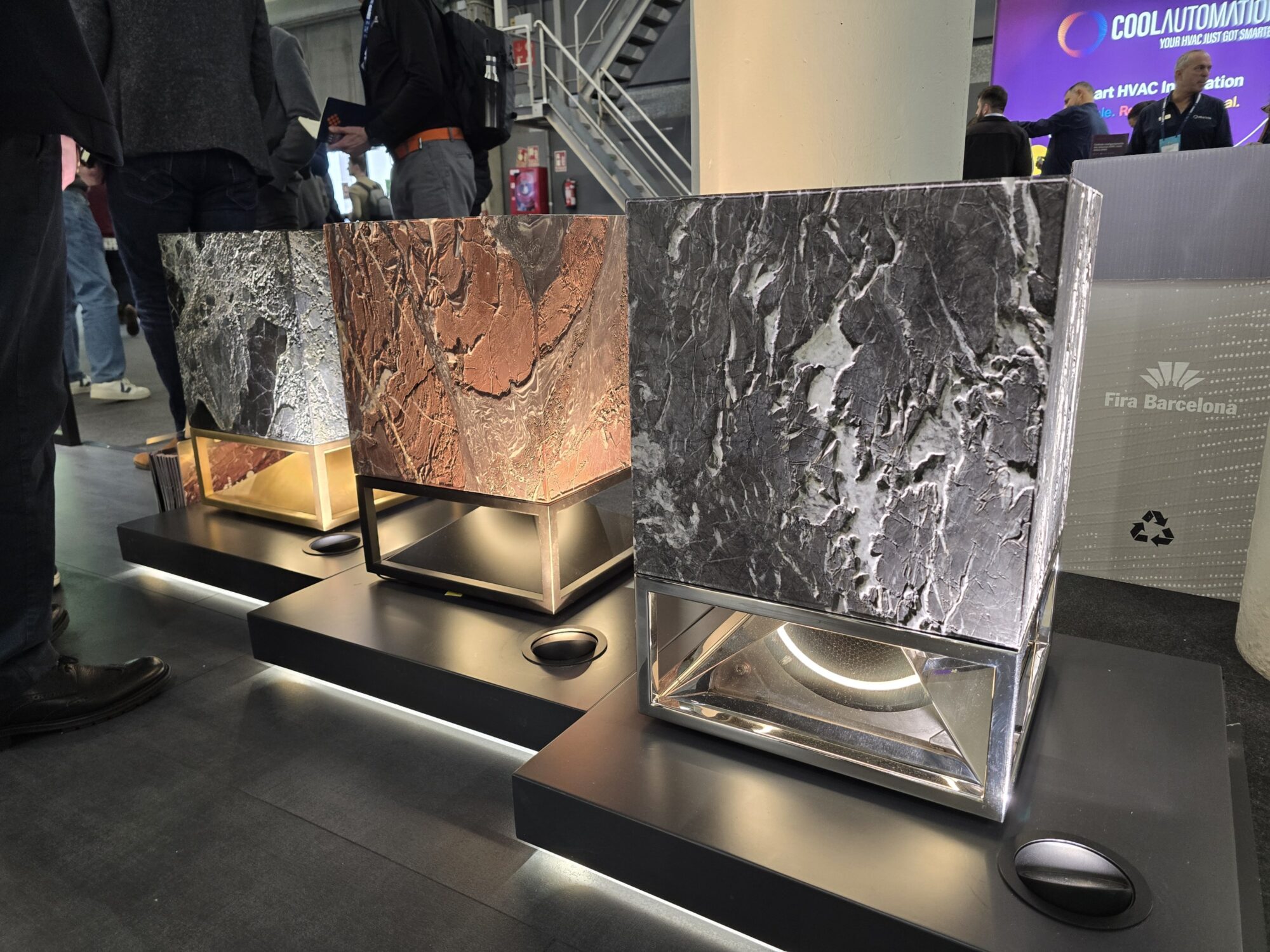
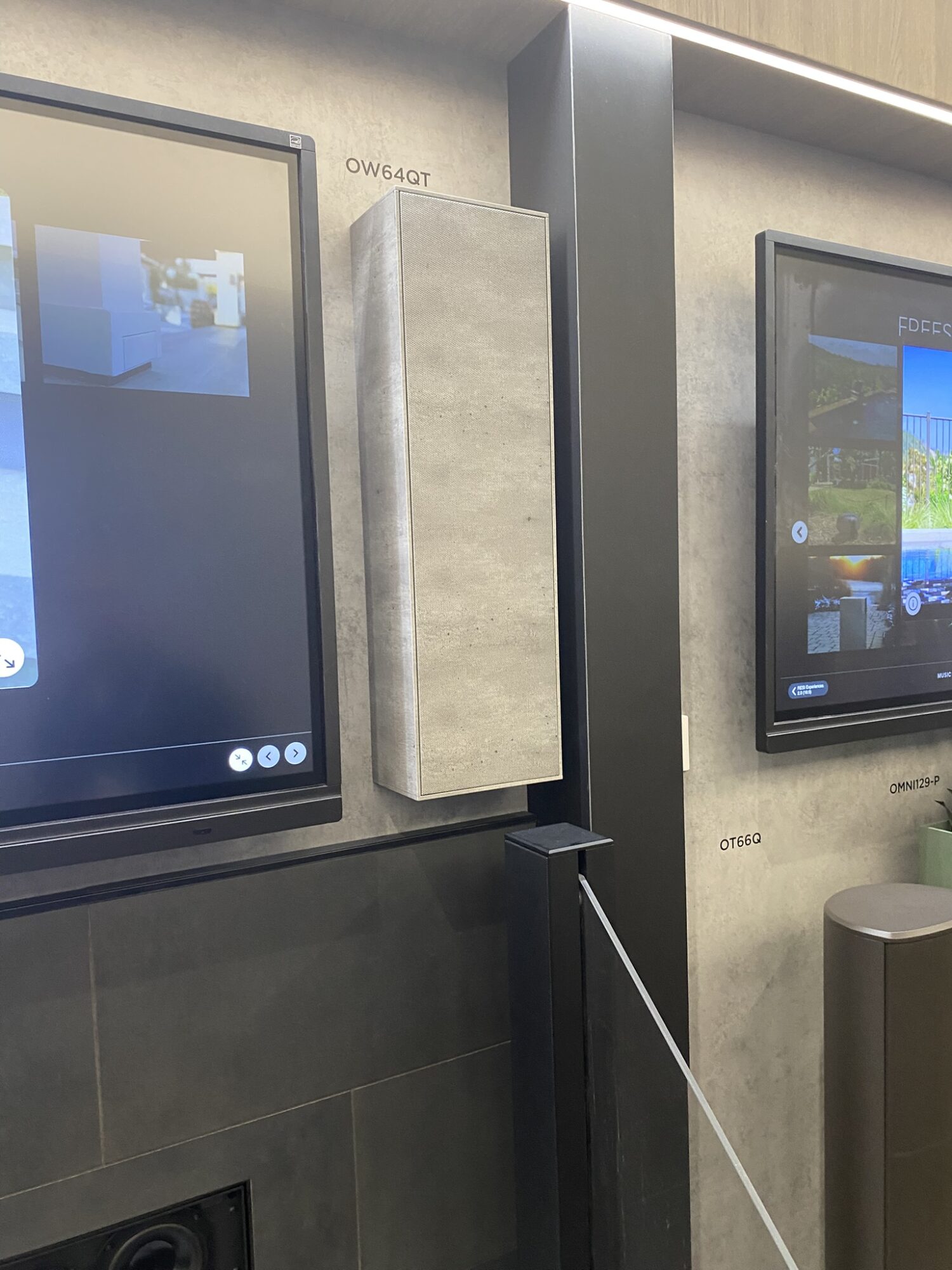
Speakers by Architettura Sonora & Sonance
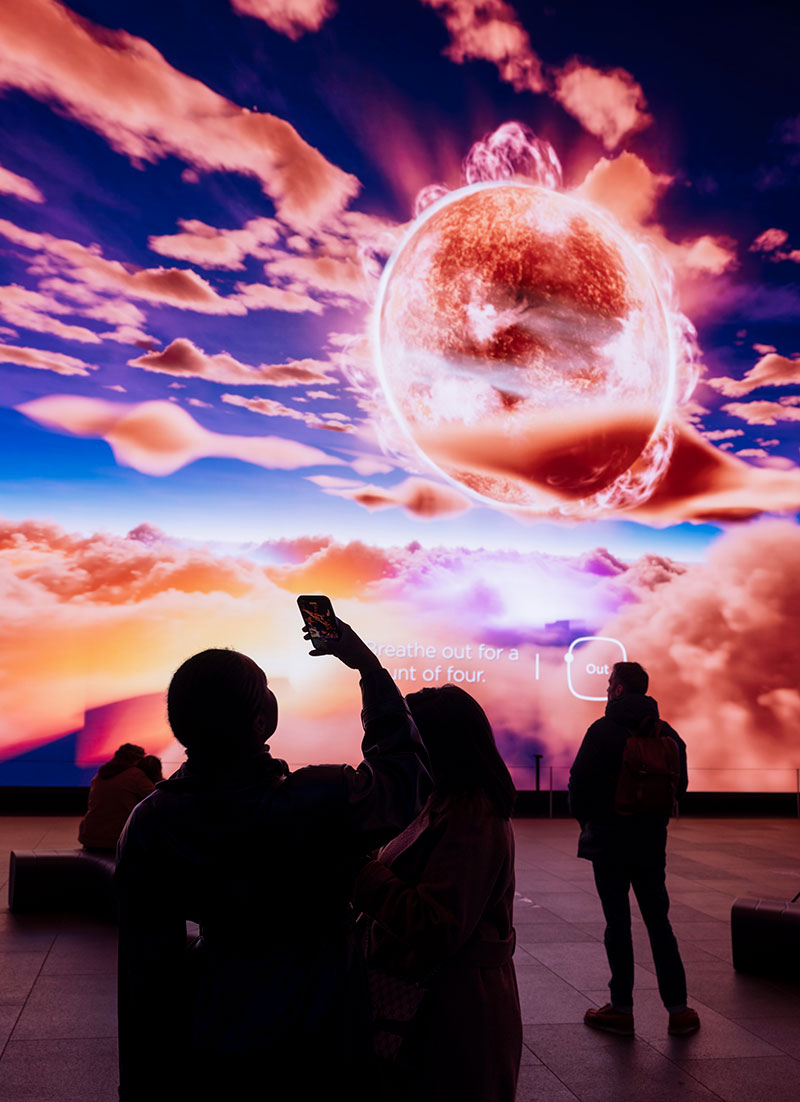
Our own LumeReveal installation in The Lighthouse is a great example. Powered by ArtMorph technology, it’s a textured LED surface that reads as a natural material until content is triggered. When we installed it, this was cutting-edge. At ISE 2026, we saw multiple major manufacturers, Unilumin, ROE Visual, and others, offering their own versions, with even better resolution and more surface options. When multiple major manufacturers start investing in the same product category, it’s a signal of real market demand. For corporate lobbies, hospitality spaces, and high-end environments where aesthetics are everything, textured LED is moving from interesting experiment to genuine specification option.
Unilumin textured LED display
The most exciting technology at ISE this year wasn’t demanding your attention, it was earning it by blending seamlessly into the built environment. Design-led, considered, and all the more powerful for it.
The brains behind the beauty
Every year we see impressive content on show floors, but the real question for any permanent installation is: who’s going to run it on a Tuesday morning six months from now? This year, for the first time, we saw a very convincing answer.
Immersive installations have historically required specialist knowledge to operate, which means ongoing costs and dependency on technical teams. ISE 2026 showed a great solution: ISAAC, a content management platform that bridges the gap between creative ambition and day-to-day operation. It integrates with leading media servers, turns pieces of content into easy to trigger presets and provides a clear, intuitive interface. Think of it as the missing piece that turns complex installations into something your in-house team can confidently manage.
What does this unlock? Corporate spaces that can update their brand messaging seasonally. Retail flagships that can react to campaigns in real-time. Visitor attractions that can schedule different moods and content throughout the day, all without needing to call a specialist. The system even handles the tedious stuff automatically: pushing new content to the right screens, clearing out outdated files, keeping everything organised.
The benefit of this is huge. We can deliver installations that don’t just wow on day one, they stay fresh, relevant, and responsive. That’s the difference between a one-hit experience and a space that evolves with your needs.
The LED evolution
LED has been a heavy hitter at ISE for years. But this year the conversation shifted. It wasn’t just about sharper images and tighter pixel pitches. It was about how LED fits into real spaces, real budgets, and real workflows. The technology isn’t new, but the way it can now be deployed absolutely is.
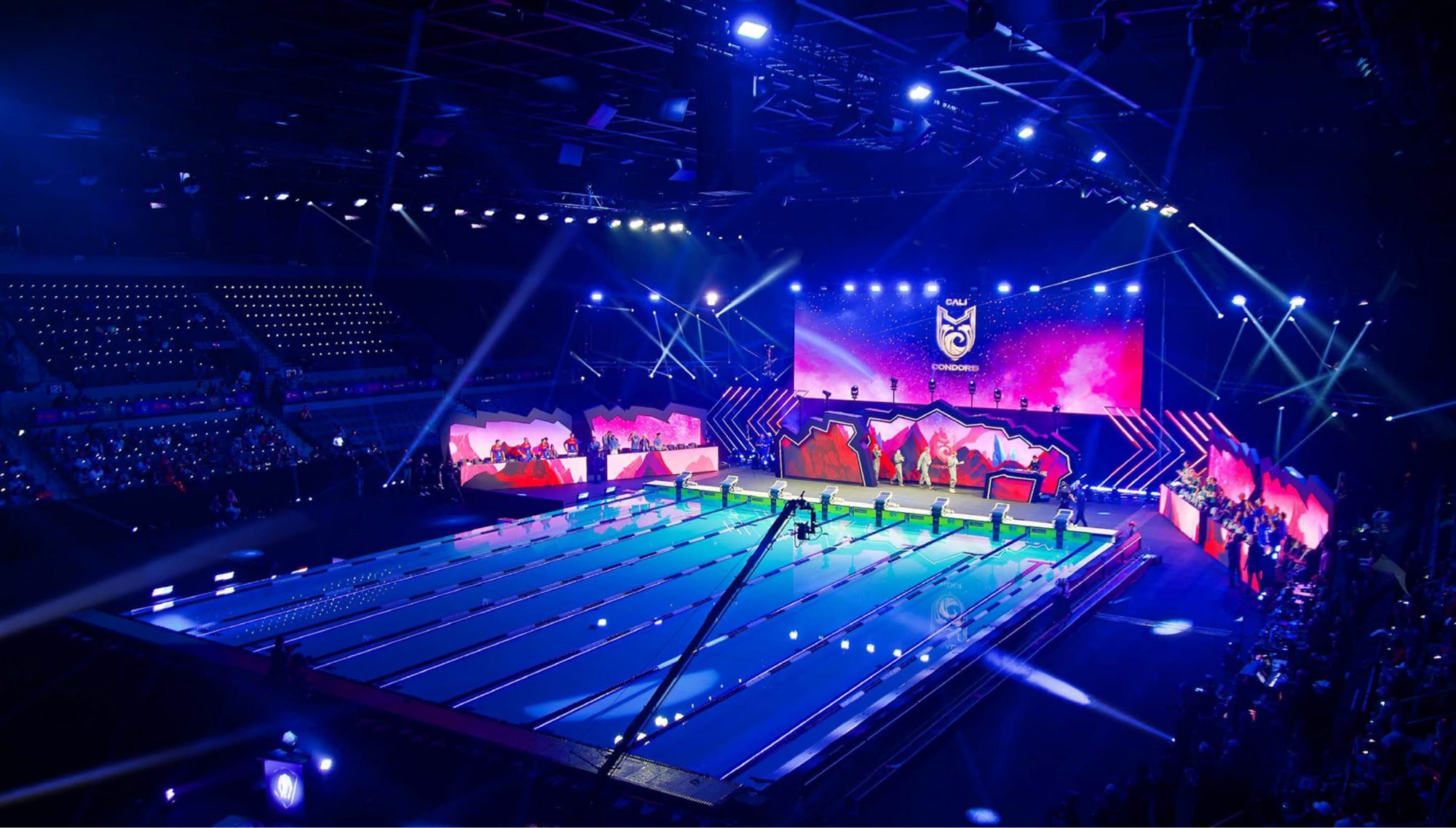
LED is growing more versatile. We saw modular LED systems that can be assembled into almost any shape or configuration, flexible panels that wrap around curves, and structural LED that becomes part of the architecture itself. One manufacturer, beMatrix, demonstrated frames that can accept LED, light boxes, or printed graphics interchangeably; perfect for spaces that need to transform between events. And for broadcast environments or spaces that are frequently filmed, Unilumin showed us new surface treatments eliminate the glare and reflections that used to plague LED on camera.
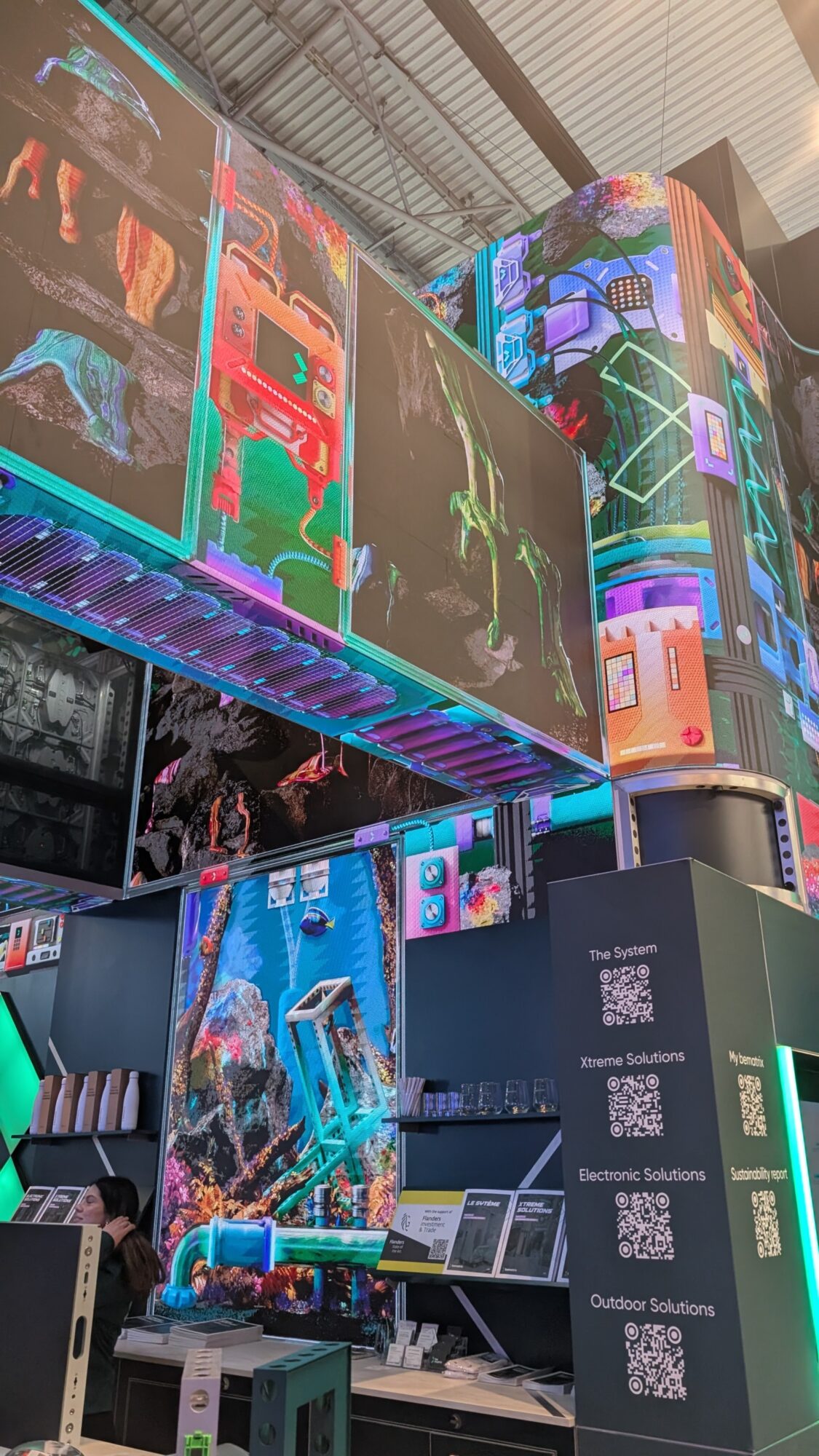
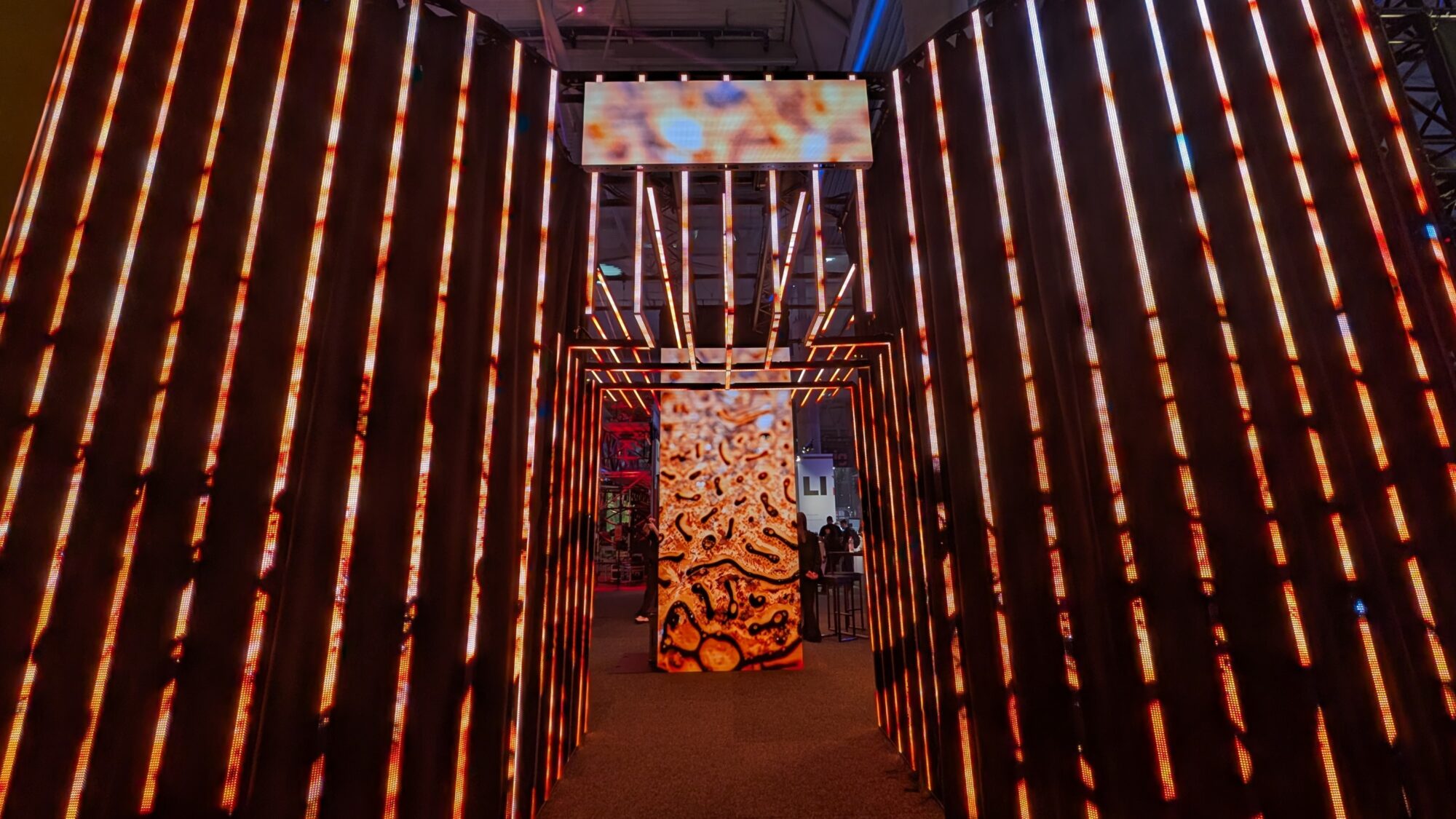
What does this mean in practice? We can design installations that fit your space, not force your space to fit the technology. Curved walls, unconventional shapes, environments that need to flex between functions, all of it is now achievable without compromise.
The honest assessment? There was nothing absolutely groundbreaking, but proven solutions that are now more accessible, more adaptable, and more ready for real-world application.
Don’t sleep on the dark horses
Some of the most exciting developments weren’t LED at all.
Projection is having a renaissance. New modular projectors from Epson can now integrate content management systems directly, eliminating the need for expensive external converters and simplifying installation significantly. For certain applications such as large-scale projection mapping and environments where flexibility matters more than permanence, this opens up cleaner, more cost-effective solutions.
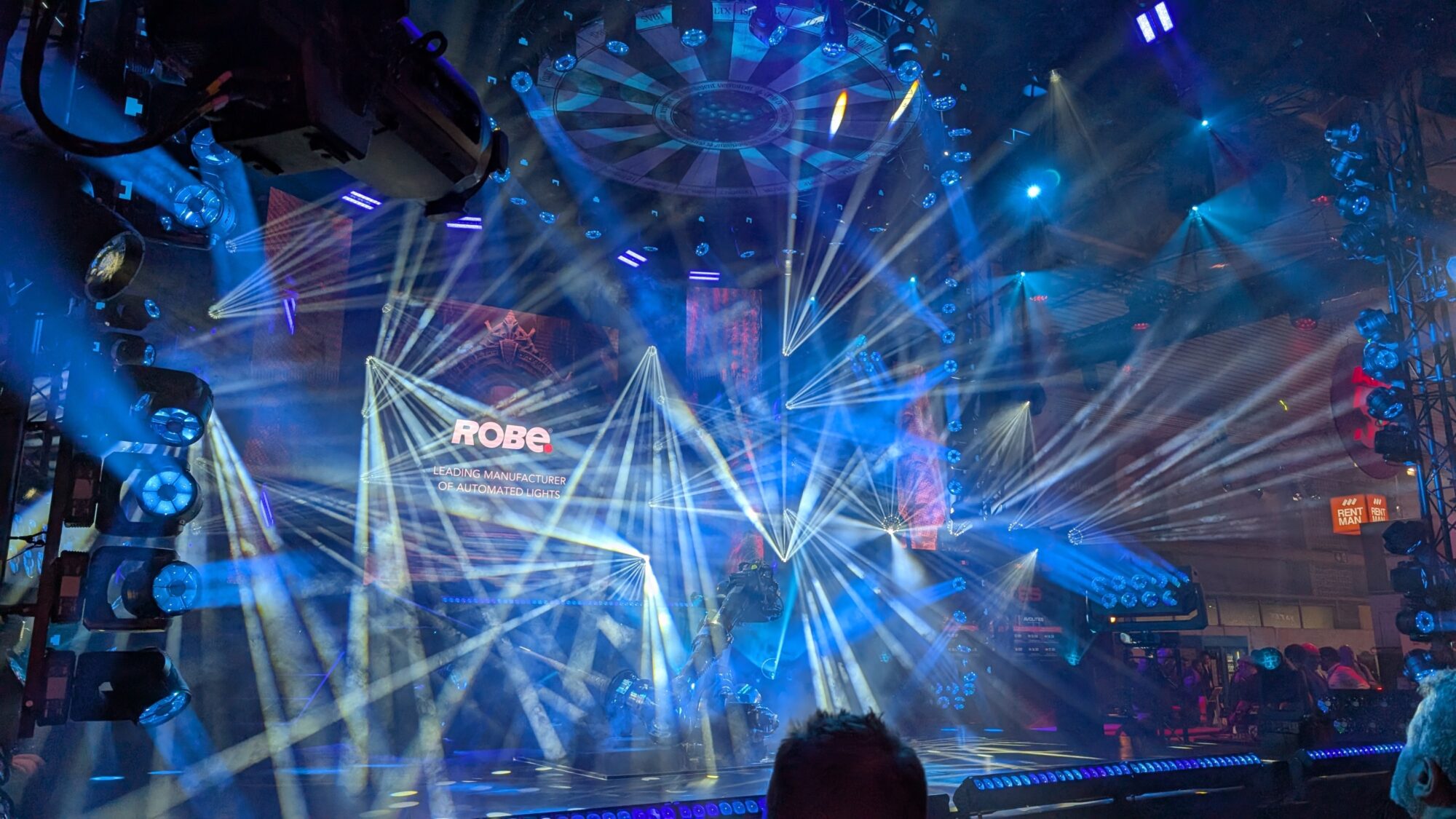
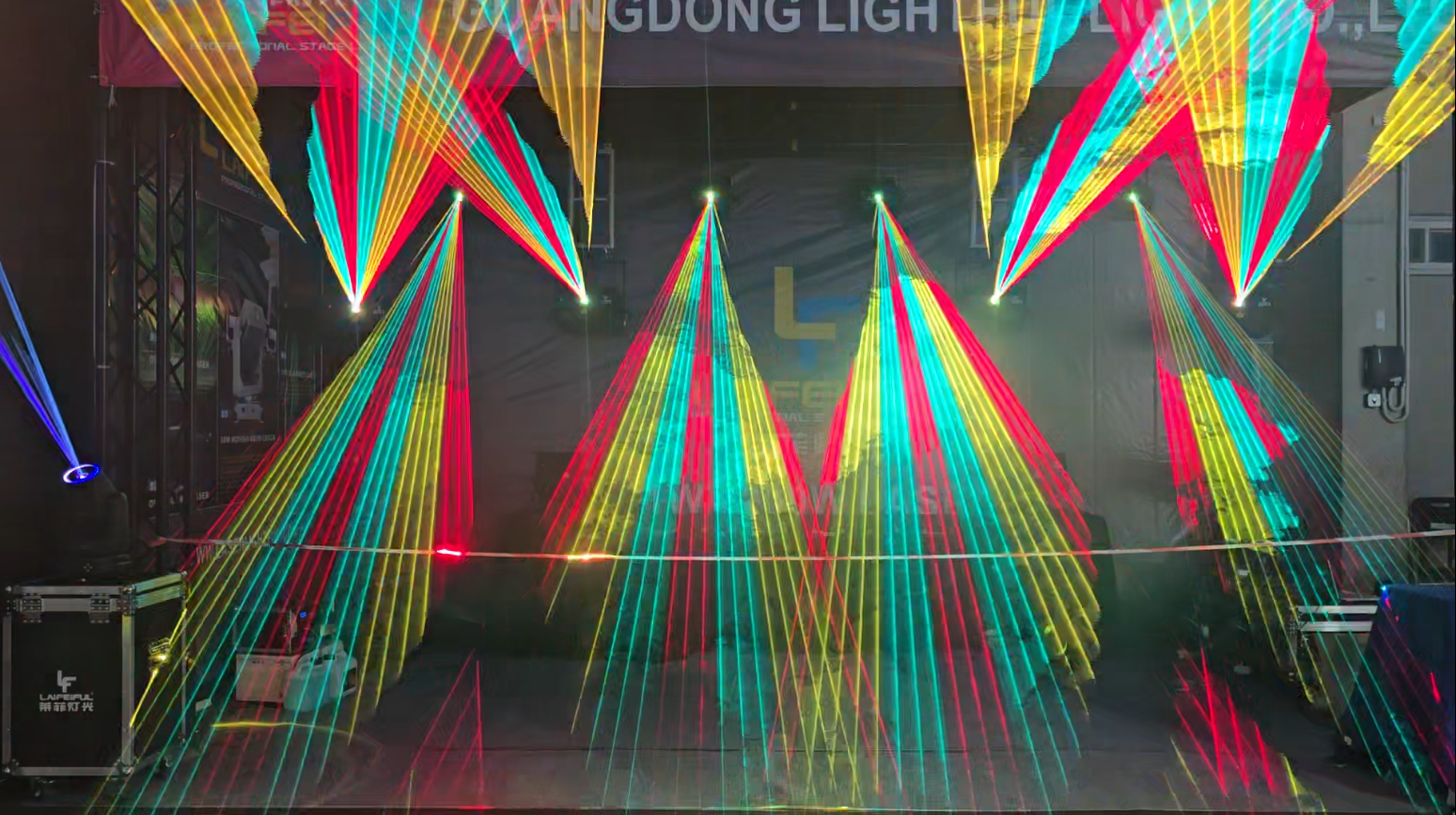
Lasers are back in the conversation, and we’re already exploring their potential. We recently installed a laser mapping activation in The Lighthouse, and ISE confirmed we’re onto something. Multiple exhibitors showcased how lasers can add layers of depth, texture, and drama and are incredibly powerful when used with intention.
And then there’s LiDAR tracking; a technology that’s advancement has been accelerated by self-driving cars and has become more affordable to integrate into immersive experiences. In simple terms, it uses laser sensors to detect and map movement in real-time, which means installations that can respond intelligently to how people move through a space. The creative possibilities here are enormous: environments that react extremely sharply to presence, content that adapts to audience behaviour, experiences that feel genuinely interactive without requiring touchscreens or clunky interfaces.
The buzz word
We’d be remiss not to talk about AI. The potential is undeniable: faster creative iteration, personalised content at scale, and possibilities that weren’t feasible even a year ago. We’re genuinely excited about where this is heading.
But ISE 2026 offered a reality check. Across the show floor, many exhibitors leaned on AI-generated content to demonstrate their hardware, and in many cases, it actively let the hardware down. Sub-par visuals running on world-class displays had the effect of cheapening the very technology they were meant to showcase.
It’s a reminder that AI is a tool, not a shortcut. In the right hands, with proper creative direction and craft, it can unlock extraordinary things. Used carelessly as filler, it risks undermining the very experiences we’re trying to create. As this technology matures, the gap between “AI-generated” and “AI-enhanced” is where the real value lives. Focus should be on harnessing AI’s power, while holding the line on quality, craft, and creative intent.
The bottom line? ISE 2026 was about proven technologies becoming more versatile, more accessible, and more aligned with how real spaces actually work. That’s what excites us most, because it means we can now design and deliver experiences that weren’t possible (or affordable) even two years ago.
Feeling inspired? Ready to explore what this means for your next project? We’ve got ideas, opinions, and a fresh batch of product knowledge to share. Give us a shout.